ServicesDuctless Mini-Splits
Ductless Mini-Splits in Hayden
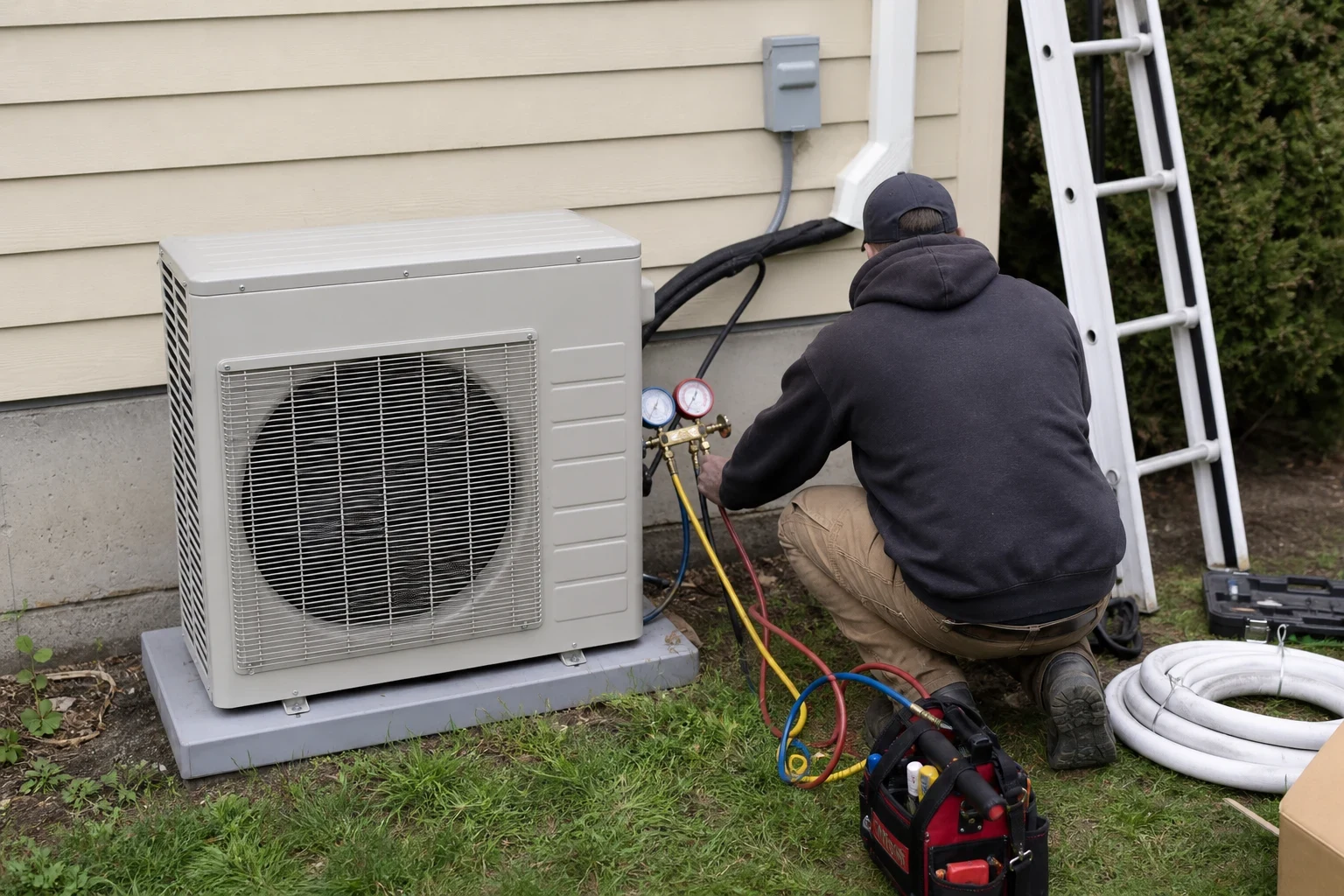
A ductless mini-split brings heat and cooling to rooms your current system misses. We take care with the small parts of the install, from each copper flare to the pitch of the drain line. Those details decide whether it runs quietly for years or leaks by its second winter.
When a Mini-Split Is the Right Call
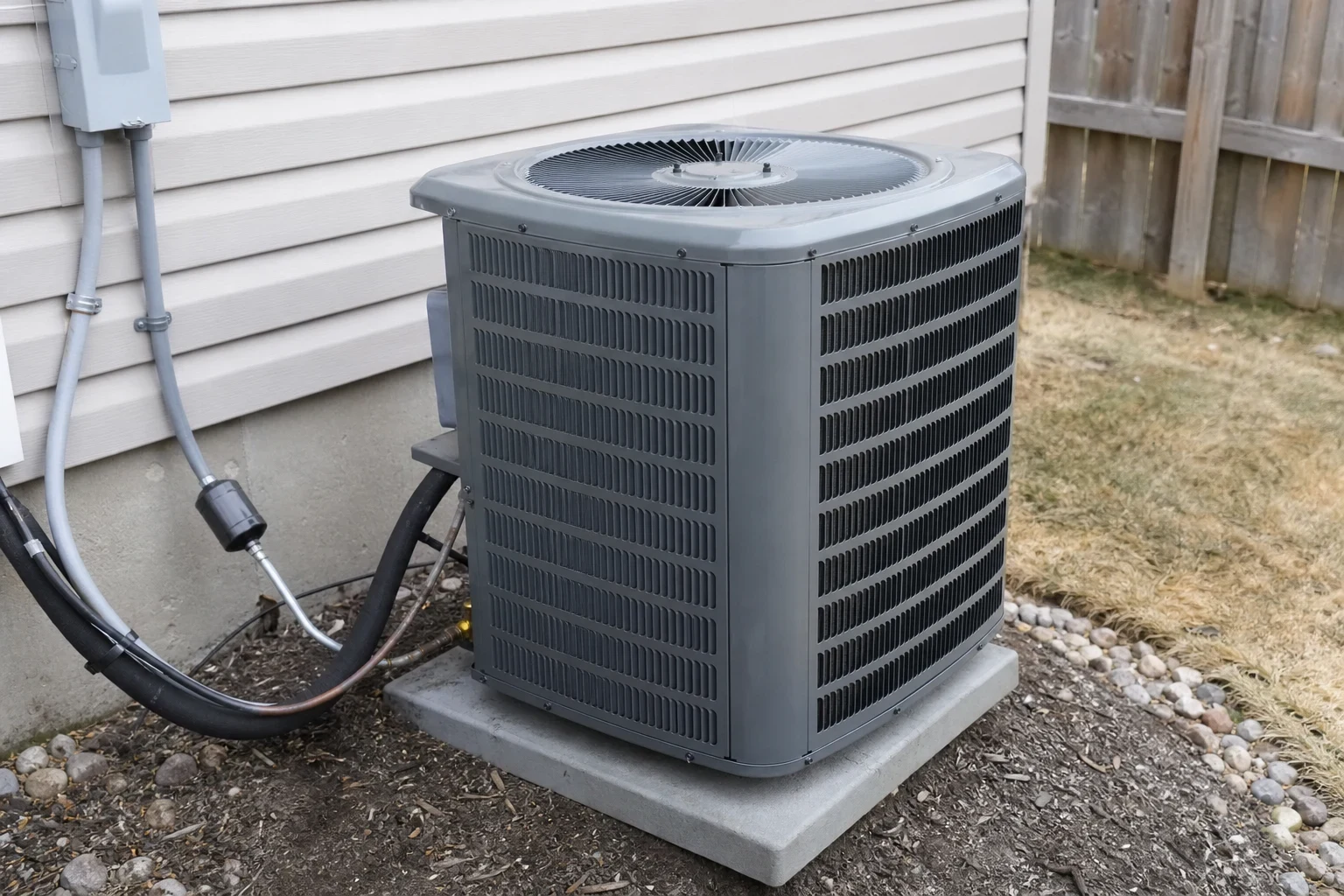
A ductless system has two halves: a compressor that sits outside and one or more slim indoor heads that hang on a wall or tuck into the ceiling. A small bundle of refrigerant lines, power and a drain runs through a hole about three inches wide. It suits a bonus room over the garage, a converted basement, an addition, a shop with a living space, or a home where the furnace never quite reaches the far bedroom.
Each head has its own thermostat, so you can keep the bedroom cool and the living room warm without fighting over one setting. Modern cold-climate models keep heating well into single digits, which matters when Hayden winters settle in. Since every mini-split is a type of heat pump, our help claiming Avista rebates and federal tax credits on heat pumps applies here too, as long as your equipment qualifies.
What Our Mini-Split Installation Includes
- A room-by-room sizing check
- We look at each room's size, windows, insulation and sun exposure before picking head sizes. A head that is too big shuts off before it pulls moisture out of the air, so the room feels damp. One that is too small never catches up on a cold night.
- Flare joints made by hand, torqued to spec
- Most mini-split leaks start at the flare fittings. We cut the copper clean, ream it, form each flare with a proper tool and tighten it with a torque wrench instead of guessing by feel.
- Leak check with nitrogen, then a deep vacuum
- We fill the new lines with dry nitrogen and let them sit under pressure to prove every joint holds. Only then do we pull a vacuum, reading a micron gauge until the moisture is gone, so the compressor starts its life dry and clean.
- A clean, sealed wall penetration
- We use a sloped wall sleeve, seal the hole against drafts and insects, and cover the outside run with a line hide that matches your siding as closely as we can.
- Outdoor unit set above the snow
- The condenser goes on a stand or wall bracket high enough to stay clear of drifts and let defrost water drain away instead of freezing into a block under the coil.
- Startup and a walkthrough
- We test every head in heating and cooling, check the drain and show you the remote, the filters and the settings that save the most energy.
Signs a Ductless System Makes Sense for Your Home
One room is always the odd one out
If a bedroom over the garage swings ten degrees from the rest of the house, a single head can fix it without touching the main system.
You are adding or finishing space
New additions, finished basements and garage conversions often have no practical way to tie into the existing heat. A mini-split skips that problem.
Baseboard heat is running up your bill
Baseboard heaters make heat straight from electricity, one for one. A mini-split gathers heat from the outside air and carries it indoors, which typically takes a fraction of the power for the same warmth.
Window units every summer
Lugging window air conditioners up from storage every June gets old. One wall-mounted head cools the room quietly in summer and heats that same room once the weather turns.
What Moves the Price of a Mini-Split
Every ductless job is priced from what your home actually needs, so we quote after we see the space. Your written quote lists the equipment and labor line by line. Nothing gets added once work starts without your say-so.
Number of zones
One head on one outdoor unit is the simplest setup. Every extra room brings its own head and its own copper run, and past a couple of zones you may need a bigger multi-zone condenser to feed them all.
Cold-climate capacity
Models rated to heat in deep cold cost more than basic units, but they are the ones that keep working through a hard January.
How far the lines travel
When the indoor head sits on an exterior wall with the outdoor unit just below it, the copper run is short and simple. Heads in interior rooms, upstairs, or on the far side of the house need longer lines, more line hide and more labor.
Electrical work
Some panels have room for a new circuit; others need more work before the system can be wired safely. We check this on the estimate so it is not a surprise later.
How Install Day Goes
- 1
Free estimate and written quote
We visit, measure the rooms and talk through where heads and the outdoor unit will sit. There is no charge for estimates on installations and replacements, and you will have our written quote in hand before a single hole is drilled.
- 2
Protect the space and mount the heads
We lay drop cloths, mark studs, and level each wall bracket so the head drains the right way. A head that tilts even slightly backward can drip down the wall.
- 3
Run the lines and set the condenser
Copper, wire and drain go through the sleeve and down the line hide to the outdoor unit. We wire a dedicated circuit with an outdoor disconnect where the job calls for it.
- 4
Test, charge and start up
Nitrogen test, vacuum, then we open the refrigerant and run every zone. Afterward we vacuum up drilling dust and haul away packaging so your home looks the way we found it.
Mini-Split Questions We Hear Often
Is a mini-split enough heat to get through a cold winter?
The cold-climate units we install are engineered to keep delivering heat well below freezing, down into the single digits, and plenty of owners rely on them as the main heat for the rooms they cover. On the harshest nights, some homes lean on an existing furnace or baseboard as backup. We will give you a straight answer about which setup suits your house.
How big is the hole in my wall?
Usually about three inches across. We seal it inside and out, and the line hide outside keeps the run neat and protected from sun and snow.
Do the indoor heads make much noise?
A properly mounted head is very quiet, often quieter than a refrigerator. Rattles and hums usually come from a bracket that is out of level or not anchored into framing, which is why we take care with mounting.
How long does installation take?
A single-zone system is typically done in one day. Multi-zone jobs can run longer depending on how many rooms and how the lines are routed, and we give you a clear timeline in your quote.
What upkeep does a mini-split need?
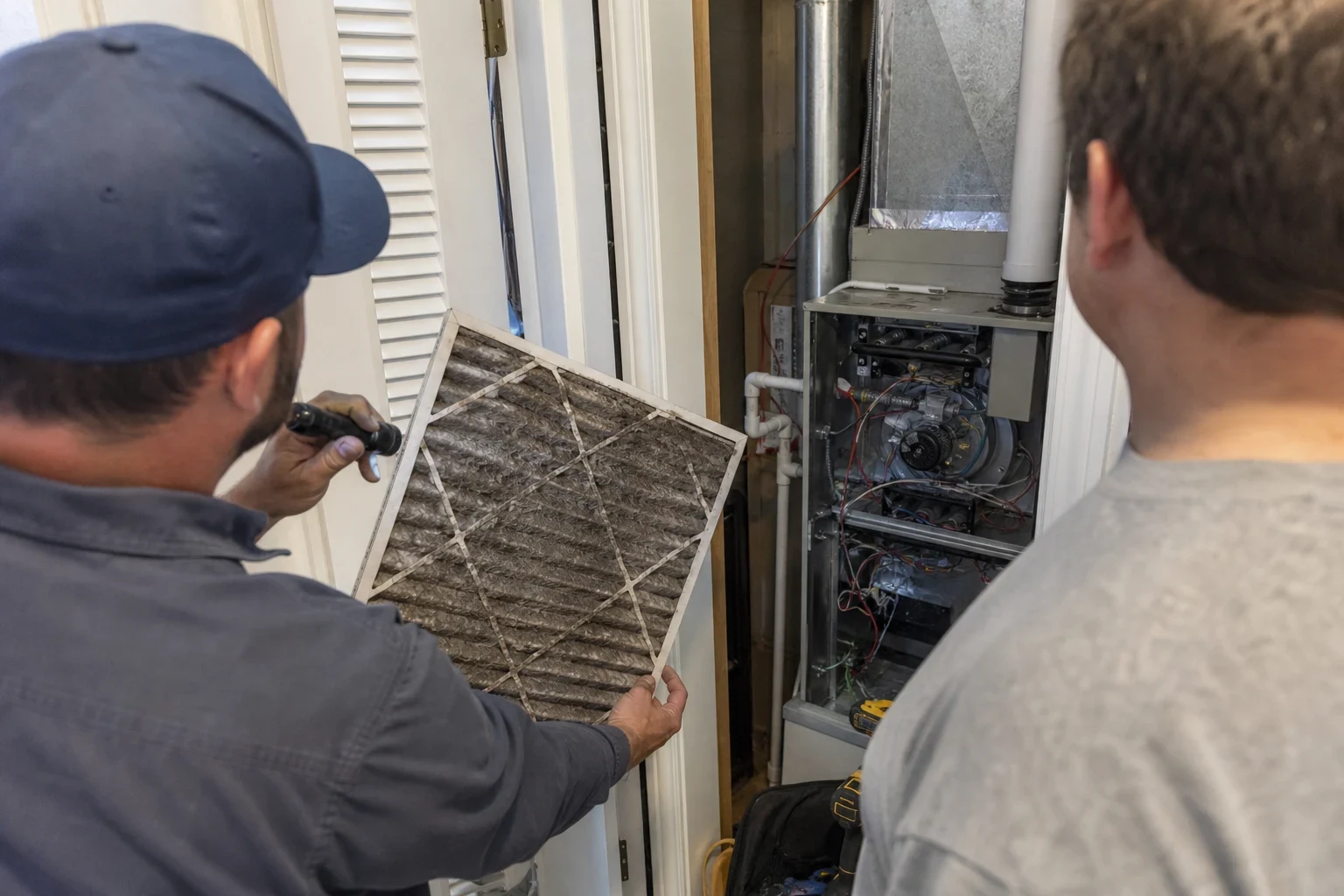
Slide out the indoor filters and wash them under the tap roughly once a month while the system is working hard. Keep the outdoor unit clear of snow and fallen leaves. A yearly cleaning of the coils and blower wheel keeps it efficient, and our maintenance plans include that tune-up.
Let's Talk About the Room That Never Feels Right
Give us a call, describe the space that gives you trouble, and we will set a time to see it in person. Your written quote spells out every piece of the install before anything starts.